.JPG)
.JPG)
.JPG)
.jpg)
© OBG
© OBG
© OBG
© OBG
© OBG
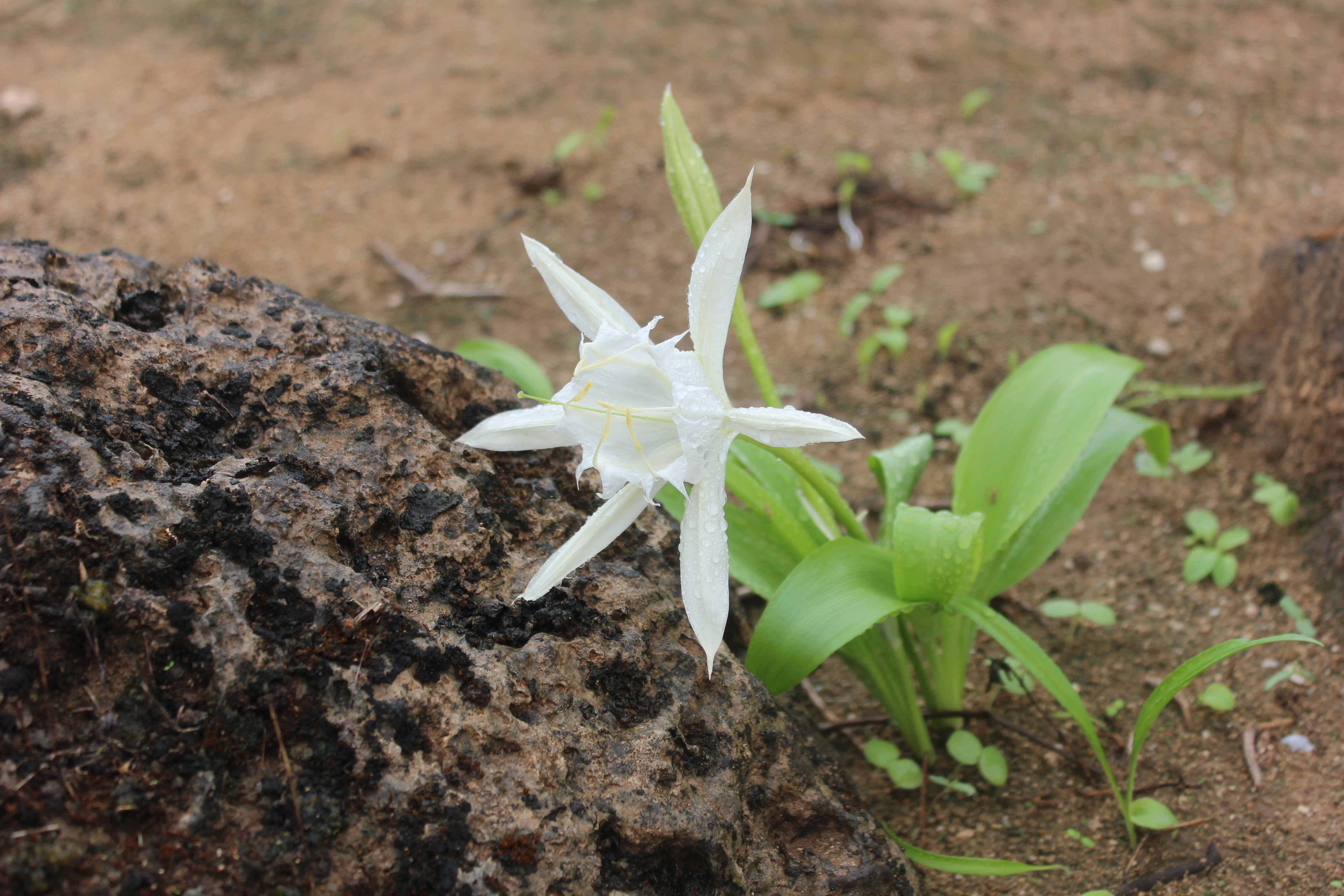
Perennial herb ; up to 30 cm tall , arising from a bulb with many very papery brown tunics . Stems erect to spreading , weak . Leaves 2-7 , 10-30 x 2 . 5-18 cm , shiny , green , linear-elliptic to narrow elliptic , tip acute , margins entire , base abruptly narrowing into the petiole , ringed by the dead leaf bases of previous years growth , glabrous . Inflorescences solitary , terminal on a 7-10 cm long peduncle ; bract membranous , bifid at apex , enclosing the flower bud at base . Flowers erect , white , sweet scent , night flowering ; perianth with a long cylindrical tube 11-16 cm , funnel-shaped , green , divided above into 6 segments ; segments white , 8-10 cm , narrowly elliptic , spreading ; stamens 6 , inserted at throat of perianth tube , fused above to form a cup 4-5 cm ; anthers pale yellow ; ovary 3-locular ; ovules numerous ; style slender , shortly exserted ; stigma capitate . Fruit capsule . Seeds many , angular , black . (Ref . Flora of Oman ; vol . 4) .
No Data
Regional Endemic (RE) - Least Concern (LC) - National Assessment
Frequent
الوصف غير متاح حاليًا
Mizonia maxima (Forssk.) A.Chev.
No Data
maintenanceAr.Item1
Sea Daffodil
Sea Lily
Sea Pancratium Lily
Sand Lily
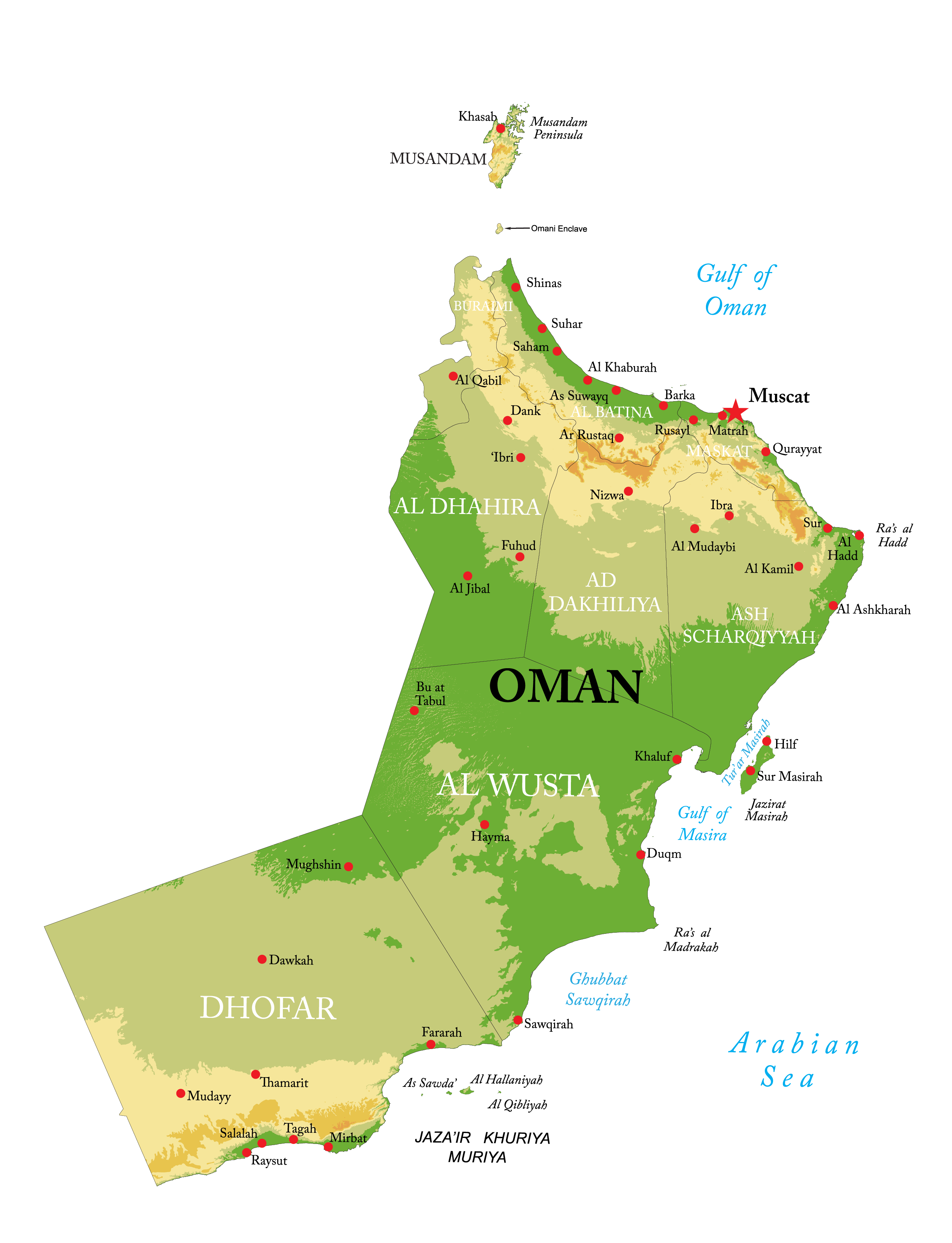
In Omani studies: Miller & Morris (1988) wrote that: "This beautiful plant is one of the first to come into flower during the monsoon rains. It grows throughout the areas in Dhofar affected by the monsoon, and its large, bright green leaves and impressive creamy flowers can be seen at the back of the coastal plains, in the wooded mountain slopes, in the grasslands, and in the high plateaux at the back of the mountains. It is completely useless as fodder for livestock, which avoid both the bulb and the large tempting-looking leaves, which are in fact toxic to all livestock. It is one of the few bulbs which are not edible in Dhofar, and some of the names for it reflects this: ‘agereyz ešúxer, 'old man's testicles'; ḥusạy al ḥemár, 'donkey's testicles'; zebīb al ḥemár, 'phallus of the ass'; ēḍaḥ eseberó’, 'bulbs of the ghosts/spirits', and so on. Useless
...

Ghazanfar, S. (2018). Flora of the Sultanate of Oman, vol.4: Hydrocharitaceae – Orchidaceae. Meise, National Botanic Garden of Belgium (Scripta Botanica Begica, Vol. 25). ISBN 9789492663153 ISSN 0779-2387. Miller, A., Morris, M. (1988). Plants of Dhofar, the Southern Region of Oman: Traditional, Economic, and Medicinal Uses. Published by Office of the Adviser for Conservation of the Environment, Diwan of Royal Court, Sultanate of Oman; ISBN 10: 0715708082 ISSN 13: 9780715708088. https://en.wikipedia.org Gledhill, D. (2008). The Names of Plants. Fourth Edition. Cambridge University Press, UK. ISBN 978-0-521-86645-3 ISSN 978-0-521-68553-5. https://plants.jstor.org Patzelt, A. (2015). Oman Plant Red Data Book. Published by Diwan of Royal Court, Sultanate of Oman. Oman Botanic Garden Publication No. 1. ISBN 978-99969-50-10-0. POWO (2023). "Plants of the World Online. Facilitated by the Royal Botanic Gardens, Kew. Published on the Internet; http://www.plantsoftheworldonline.org
