
Perennial , often epiphytic herb ; up to 50 cm tall , arising from an underground tuber . Stems bearing bulbiferous shoots 15-30 cm long ; bulbis brown , scaly , ovoid , ± 5 mm long ; tubers red . Leaves 10–40 x 5–30 cm , solitary , appearing soon after the flowers , peltate , ovate to broadly ovate , tip acute or acuminate , margin entire , glossy . Flowers rarely , if ever , flowering in Oman , the plant reproducing asexually by bulbils , unisexual . Spathe leathery , 10-13 cm long , with an ovoid tube and a limb which is erect ; tube green , 2 . 5-5 cm long , accrescent over the fruits ; limb golden-yellow , broadly ovate . Spadix bisexual , 2 . 5-4 cm long , flowers congested , female at base , male at tip , separated by sterile flowers in middle ; perianth absent . Fruit a cluster of berries . Seeds numerous , elliptic . (Ref . Flora of Oman ; vol . 4) .
No Data
Not Evaluated (NE)
Not Common
الوصف غير متاح حاليًا
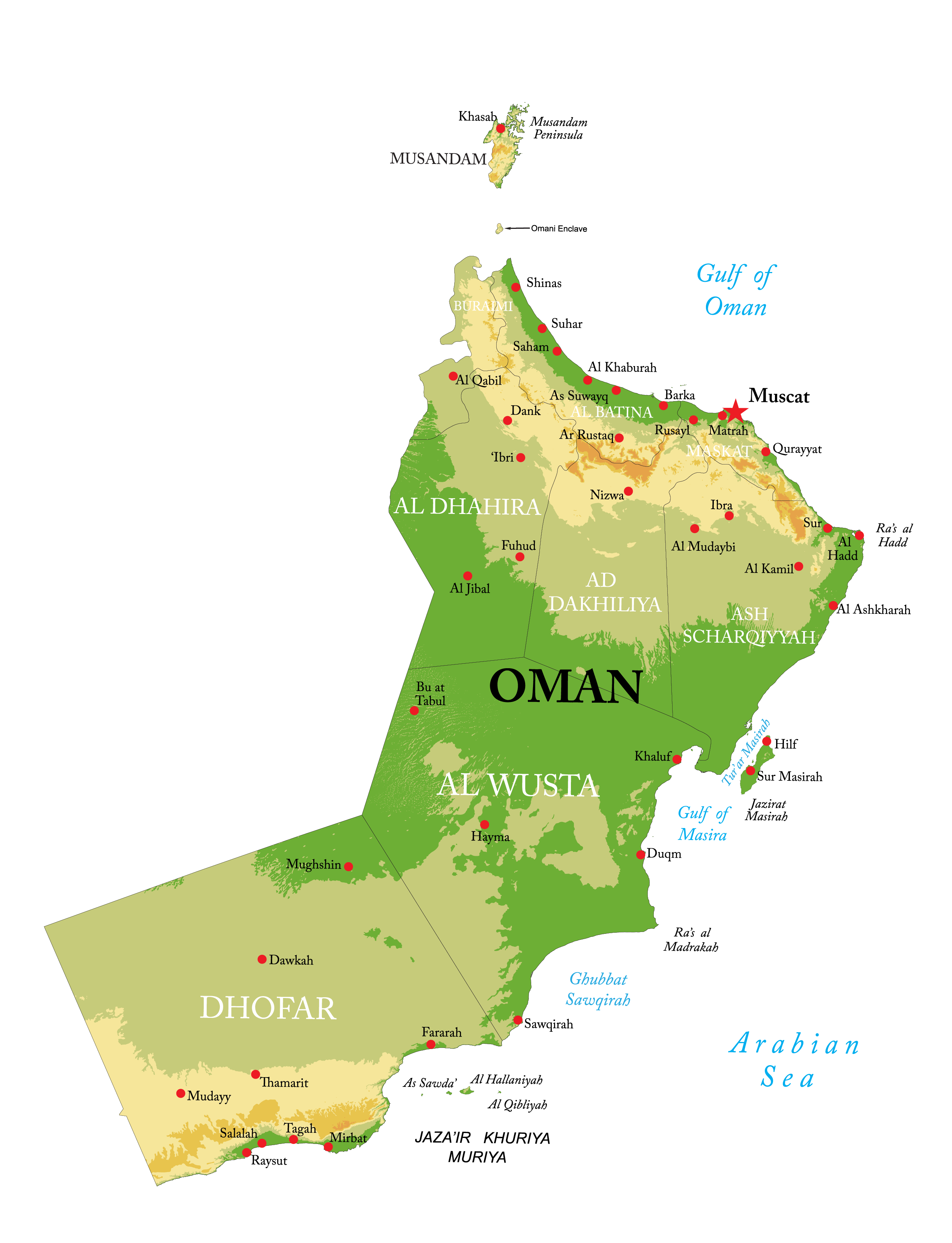
Arum viviparum Roxb.
Caladium viviparum (Roxb.) G.Lodd.
Colocasia vivipara (Roxb.) Thwaites
Remusatia formosana Hayata
No Data
maintenanceAr.Item1
Hitchhiker Elephant Ear
Hitch Hiker’ Plant
In Omanis studies: Miller & Morris wrote that: "This plant produces large vivid red-skinned tubers in the rainy season, which are gathered from the middle of the rainy season right through to the end of the winter, when they are considered to be at their best. Collected tubers as well as being eaten fresh, were also dried and stored. They keep well, and when needed would usually be pounded down to make a rough meal which would be mixed with a liquid to make a kind of 'asideh, a moist paste. The tubers are cooked very slowly, peeled or unpeeled, covered with a layer of leaves (the leaves of Euclea schimperi are considered to impart the best flavour) for at least three hours, to rid them of their acrid taste and astringency (called in Jibbali hasem). Once cooked, they were either eaten drained of their cooking water without further preparation,
...

Ghazanfar, S. (2018). Flora of the Sultanate of Oman, vol.4: Hydrocharitaceae – Orchidaceae. Meise, National Botanic Garden of Belgium (Scripta Botanica Begica, Vol. 25). ISBN 9789492663153 ISSN 0779-2387. Miller, A., Morris, M. (1988). Plants of Dhofar, the Southern Region of Oman: Traditional, Economic, and Medicinal Uses. Published by Office of the Adviser for Conservation of the Environment, Diwan of Royal Court, Sultanate of Oman; ISBN 10: 0715708082 ISSN 13: 9780715708088. https://en.wikipedia.org https://books.google.com.om Gledhill, D. (2008). The Names of Plants. Fourth Edition. Cambridge University Press, UK. ISBN 978-0-521-86645-3 ISSN 978-0-521-68553-5. POWO (2023). "Plants of the World Online. Facilitated by the Royal Botanic Gardens, Kew. Published on the Internet; http://www.plantsoftheworldonline.org
