
Large evergreen succulent perennial ; up to 180 cm long , with numerous suckers . Stems short , woody , green or greyish green . Leaves bract-like , rosette , alternate , lanceolate , thick or rigid , fleshy , erect or ascending or spreading , reflexed towards the apex , acute apex , spiny-edged or serrate margins , blue-green ; old leaves arch down . Flowers large , greeish-yellow ; flower stalk up to 450 cm long . Fruit capsule , large , oblong , beaked apex , green turn to brown or blackish in colour as they mature . Seeds 6-8 mm long , black , shiny . (Ref . https://www . gardenia . net) .
No Data
Least Concern (LC) - Global Assessment
Not Common
الوصف غير متاح حاليًا
Agave spectabilis Salisb.
Aloe americana (L.) Crantz
No Data
maintenanceAr.Item1
Century Plant
Maguey
American Agave
American Aloe
Flowering Aloe
Spiked Aloe
Mexican Soap Plant
Agave Cactus
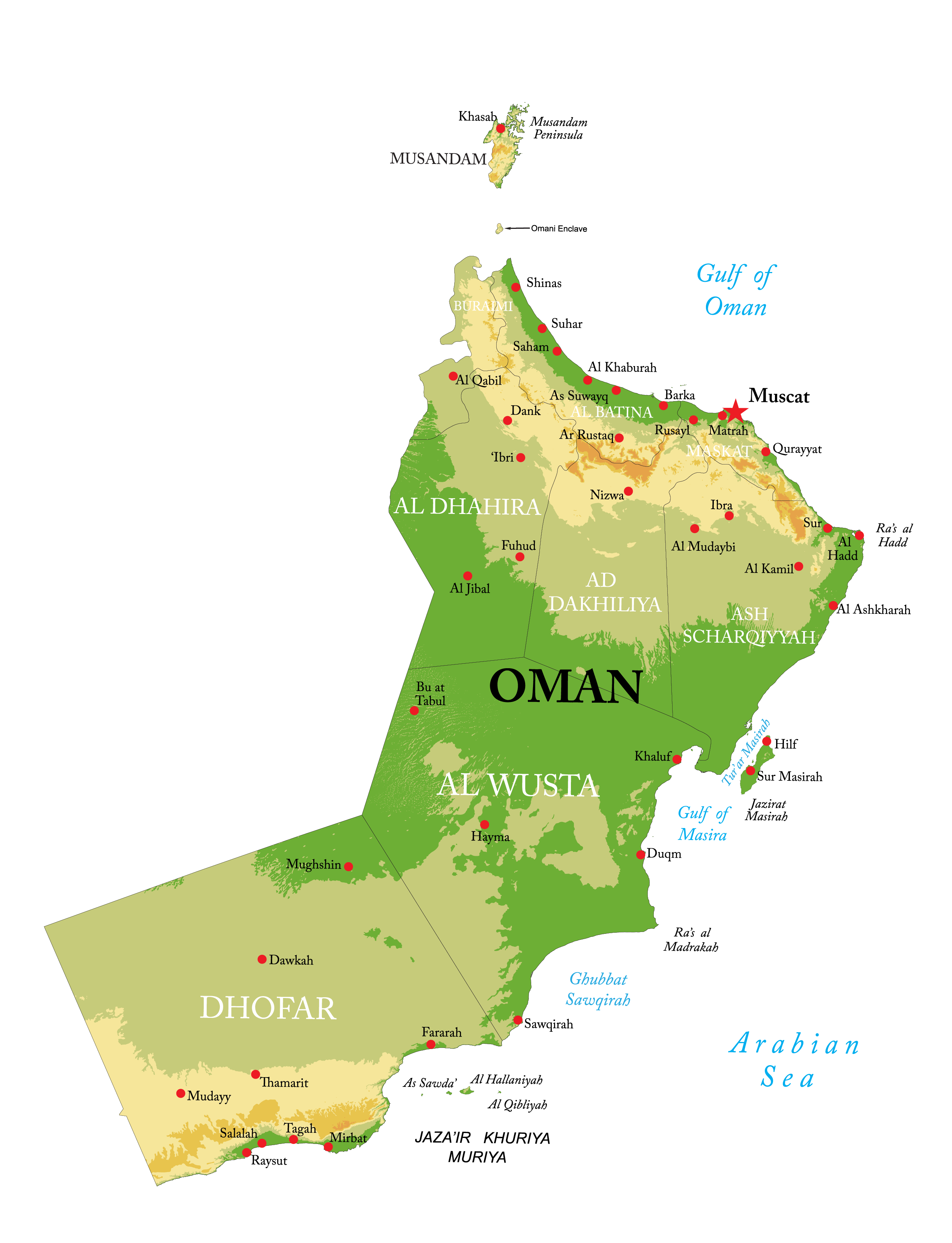
Not used traditionally. However, in Omani studies: Hammer et al., (2009) wrote that: "Also ornamental plant". (Ref. Hammer et al., 2009).
POWO (2023). "Plants of the World Online. Facilitated by the Royal Botanic Gardens, Kew. Published on the Internet; http://www.plantsoftheworldonline.org https://pza.sanbi.org https://keys.lucidcentral.org https://en.wikipedia.org Hammer, K. Gebauer, J. Al Khanjari, S. Buerkert, A. (2009). Oman at the cross-roads of inter-regional exchange of cultivated plants. Gene Resour Crop Evol (2009) 56:547-560. Springer Science+Business Media B.V. 2008. DOI 10.1007/s10722-008-9385-z. Patzelt, A. Pysek, P. Pergl, J. Van Kleunen, M. (2022). Alien flora of Oman: invasion status, taxonomic composition, habitats, origin, and pathways of introduction. Doi.org/10.1007/s10530-021-02711-4.
