
Succulent perennial subshrub or rhizomatous shrub ; up to 1 m tall , with no stem . Leaves long , narrow , arising from a creeping rhizome , distichous , 4-7 in number , mature leaves may reach 1 m in length , are thick and rigid , glabrous , more or less circular in section with a long groove running the length of the leaf to the acute tip . Inflorescences grouped in clusters of 4-8 , on a tall spike , up to 100 cm tall ; pedicels c . 3 mm with nectar-producing tissue at their base . Flowers green , tinged pink or red ; perianth 6 , 12-14 mm , tubular ; segments oblong , green , tinged pink or red , tubular , united below into a short tube ; stamens 6 , attached to the base of the perianth-lobes ; anthers versatile , c . 3 mm long , white ; ovary 3-celled , with a single ovule in each cell ; style long , exserted ; stigma capitate . Fruit berry , 10-15 mm in diameter , globose to subglobose , hard , green ,
...

No Data
Not Evaluated (NE)
Not Common
الوصف غير متاح حاليًا
Pleomele hanningtonii (Baker) N.E.Br.
Acyntha ehrenbergii (Schweinf. ex Baker) Kuntze
Sansevieria ehrenbergii Schweinf. ex Baker
No Data
maintenanceAr.Item1
Blue Sansevieria
Sword Sansevieria
Oldupai
East African Wild Sisal
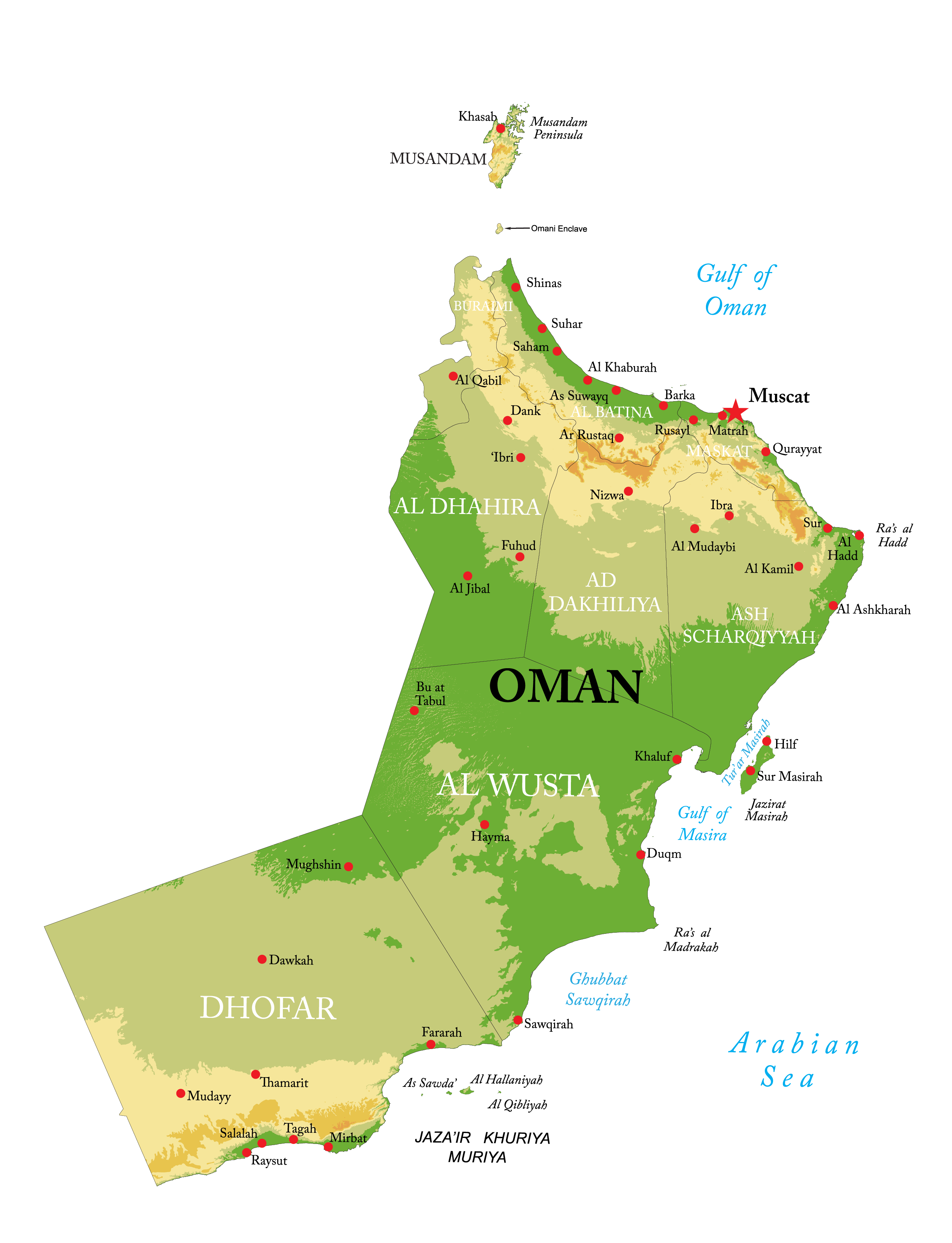
In Omani studies: Miller & Morris (1988) wrote that: "This plant was used in Dhofar to make rope and twine. The leaves were cut, then taken and left to soak in water, (preferably the salty and stagnant water of the lagoons [J: xor] where livestock were taken to water), until the outer layer had split and rotted down, and could be easily separated from the fibrous matter inside. They were then removed from the water and taken to a hard flat surface and beaten with heavy clubs until the fibres were loosened. The fibrous material was then extracted, separated into strands and worked into cordage of various thicknesses, by rolling on the thigh or twisting between the fingers. Fibres from plant made short but very strong threads which were popular when making the slingshot [J: mexdifot] used in the rainfed agricultural plots of the mountains, as well as in the
...
Ghazanfar, S. (2018). Flora of the Sultanate of Oman, vol.4: Hydrocharitaceae – Orchidaceae. Meise, National Botanic Garden of Belgium (Scripta Botanica Begica, Vol. 56). ISBN 9789492663153 ISSN 0779-2387. https://en.wikipedia.org https://www.malawiflora.com Miller, A., Morris, M. (1988). Plants of Dhofar, the Southern Region of Oman: Traditional, Economic, and Medicinal Uses. Published by Office of the Adviser for Conservation of the Environment, Diwan of Royal Court, Sultanate of Oman; ISBN 10: 0715708082 ISSN 13: 9780715708088. Pickering, H. Patzelt, A. (2008). Field Guide to the Wild Plants of Oman. Kew publishing, Royal Botanic Garden, Kew. ISBN 9781842461778. POWO (2023). "Plants of the World Online. Facilitated by the Royal Botanic Gardens, Kew. Published on the Internet; http://www.plantsoftheworldonline.org
