علم تشكل النبات
A tree ; up to 5 m tall , with a single trunk , forked above . Trunk and branches thick , covered with remnants of hardened leaf-bases . Leaves densely congested at the tips of the branches , sessile , stiff and rigid , long , thin , sessile , glabrous , sword-shaped ; lamina 50-100 cm long x 2-5 cm across , ensiform , flat or concave on the adaxial surface , convex on the abaxial surface , apex acute , margins minutely serrulate or sometimes entire . Inflorescences in large erect branches panicles , up to 1 . 5 m , arising at the ends of the branches . Flowers tiny , c . 4 mm long , pale pink to pink-green ; stamens 6 , inserted on top of the perianth tube ; filaments filiform ; anthers versatile , oblong ; ovary superior , ovoid , 3-locular ; style filiform ; stigma capitate . Fruit berry , 5-6 mm in diameter , fleshy , globose , red when ripe , 1-3-seeded . (Ref . Flora of Oman ; vol . 4) .
الوضع البيئي الحالي
Regional Endemic (RE) - Endangered (EN A4abcd) - National Assessment
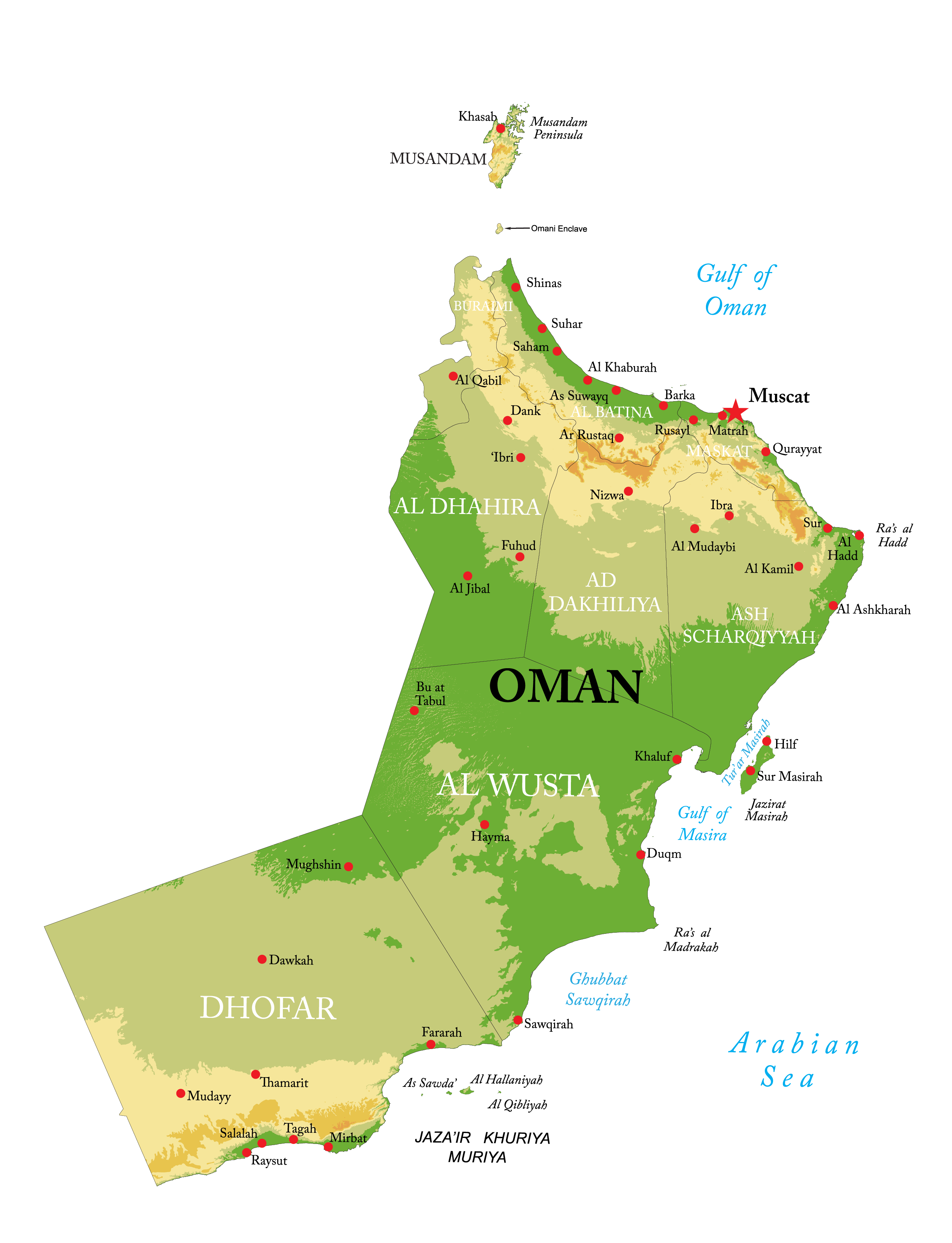
التوزيع الجغرافي والبيئي
الوصف غير متاح حاليًا
المرادفات
Dracaena neoserrulata Idrees & Z.Yong Zhang
العناية بالنبات
maintenanceAr.Item1
maintenanceAr.Item3
الاستخدامات
In Omani studies: Miller & Morris (1988) wrote that: "This unusual and distinctive tree is restricted largely to the highest, dry plateaux at the back of the monsoon mountains [J: ohufi], a high and dry area where the monsoon rains do not reach, and where consequently the herds of goats used to be taken to graze out of the monsoon area during the rains. Cattle too at this time were brought here during the period of midday heat to escape the biting flies of the kutn, the monsoon-affected high plateaux at the back of the grasslands. The Dracaena grows here commonly in association with such species as Acacia etbaica and Grewia erythraea. Its stiff leaves [J: ser ot: sera - the same word as that used to describe boat sails] are the source of the fibre for which this tree was most valued locally. The resin of related species, on
...
the nearby island of Socotra as well as elsewhere in the world, was of great importance economically (indeed in Socotra's case, was at one time the island's main export), being used as a colouring matter for varnishes, tinctures, toothpastes and plaster, and for dyeing horn to make it look like tortoiseshell. In the species that grows in Dhofar, however, it was not the resin that was important, but the fibre extracted from the leaves. The large, stiff and spike-tipped leaves were cut or pulled from the trunk, and beaten with heavy clubs to loosen and crack open the rigid outer casing of the leaf. Then the leaves were taken to water and left to soak in it for some week, preferably the saline and stagnant, contaminated water around the banks of the inland lagoons [J: xor]. Once thoroughly softened, the leaves were removed from the water and piled up in heaps on a hard flat surface, and then beaten and thrashed with switches to loosen the fibre into separate strands. If far from water or without the transport to take the leaves down to the xor or indeed if in a hurry, the whole process could be carried out by hand, requiring an even more prolonged beating, teasing and shredding of the fibres into workable strands – a long and arduous process. Once the separate fibres had been unraveled, by whatever method, they were twisted and rubbed on the thigh or between the fingers to produce threads, which could then be doubled or trebled, and rolled and twisted again, or plaited, according to the thickness of rope desired and what it was to be used for. These threads were said to make the strongest of all the cordage produced in Dhofar, even stronger than that made from the palm Nannorrhops ritchieana. They were much in demand for camel tackle and baggage ropes, and in particular for the rope-pulleys used to lower the heavy sacks of frankincense down precipices or across areas where the baggage camels (coming to collect the frankincense harvest) had difficulty penetrating. Ropes from this fibre were also used to make the harness in which men were lowered down sheer cliff sides to gather wild honey. The threads of this fibre also had a certain ‘give’, which made them as popular as those made from Ficus vasta for sling shots and bow-strings or for weaving the net that formed the base of cradles. The heart of a group of leaves could be teased and twisted out and the tender base eaten, as was done with the Nannorrhops palm, and this edible part bears the same name [DA: magyug]. The tall flower spike [J: seferer d sera] does not appear every year – the areas in which these trees grow are outside the range of the monsoon mists and cool, and only the sporadic heavy rain storms that occur some years during the hot season [J: dote] produce sufficient rain to bring the trees into flower. The wood of the tree was unimportant, except that it was occasionally used in the manufacture of drums: sections of the trunk were sliced across horizontally and hollowed out to make the drum, the wooden sides being pierced with small holes and the top and bottom percussive parts being made from leather, usually from the finger leather of young goats. Whereas the largest drum of all [DA: zenug] was usually made from the date=palm tree, the smaller ones [DA: rababa, medar] were often also made from the trunk of this tree". (Ref. Plants of Dhofar). In addition, Richardson & Dorr (2003) mentioned that: "Provide fibrous material for rope-making. Such ropes are used for camel tackle, boat and baggage ropes, and tree-climbing harnesses". (Ref. The Craft Heritage of Oman). Further, Pickering & Patzelt (2008) stated that: "Fibre from the leaves used to make strong ropes". (Ref. Field Guide to the Wild Plants of Oman; 2008). Furthermore, Al Kithiri (2021) stated that: "The important part of the tree was not the resin (as the resin of the two brothers' blood trees on the island of Socotra, for example), but the fibers that were extracted from the leaves. The leaves from which the ropes are made are called (sharoot). It is said that strong, heavy-duty ropes are produced from these fibers, which are the strongest ropes ever produced in Dhofar. Prior to the 1970s, there was a strong demand for plant ropes to be used to lower heavy bags of frankincense down cliff edges or across areas hard to reach for camels. It was also used to make straps that tied around a person to descend on the sides of high altitudes to collect wild honey. In ancient times, the long, thin branches of these trees were used as spears. As for the side branches, they were preferred to be used as sticks for applying eyeliner. The twigs were also used to make the pointed triangle-like tool that women used to part their hair into sections before braiding it. The wood of this tree was also used as firewood due to the small amount of smoke that was emitted when burned. (Ref. How to extract gum from frankincense trees).