
Bulbous perennial herb ; up to 15(-30) cm tall , with whitish-cream , fleshy , thickened , contractile roots . Bulb hypogeal , solitary . Leaves (2)4‒9 , in a basal rosette , mostly hysteranthous , becoming dry to withered at anthesis , filiform , canaliculate , tapering gradually towards a terete acute apex , arching , spreading , 6‒20 cm long , 0 . 2‒0 . 7 mm wide , glabrous , glossy , mid to dark green , with darker green maculations forming horizontal stripes abaxially . Inflorescences a stalked raceme , arching to erect , 1 per bulb , overtopping the leaves ; raceme lax , 3−6 cm long , with (1)2‒3(5) flowers . Flowers short-lived , lasting only one day , opening in succession , pale yellow to yellowish brown , opening in the late afternoon to early evening and closing during night , without a discernible scent ; perigone strongly reflexed ; tepals 6 , biseriate , almost free ; stamens 6 , curved ; filaments free , adnate to tepals for ca . 1 mm ; anthers narrowly oblong , yellow , subbasifixed ; ovary 3-locular , subellipsoidal , light green with white markings around the septal nectaries ,
...

No Data
Endemic (EN) - Endangered (EN B2ab(ii , iii)) - Global Assessment
Rare
الوصف غير متاح حاليًا
Drimia sp. sensu Miller and Morris 1988
Urginea sp. Miller and Morris 1988
No Data
maintenanceAr.Item1
Not known
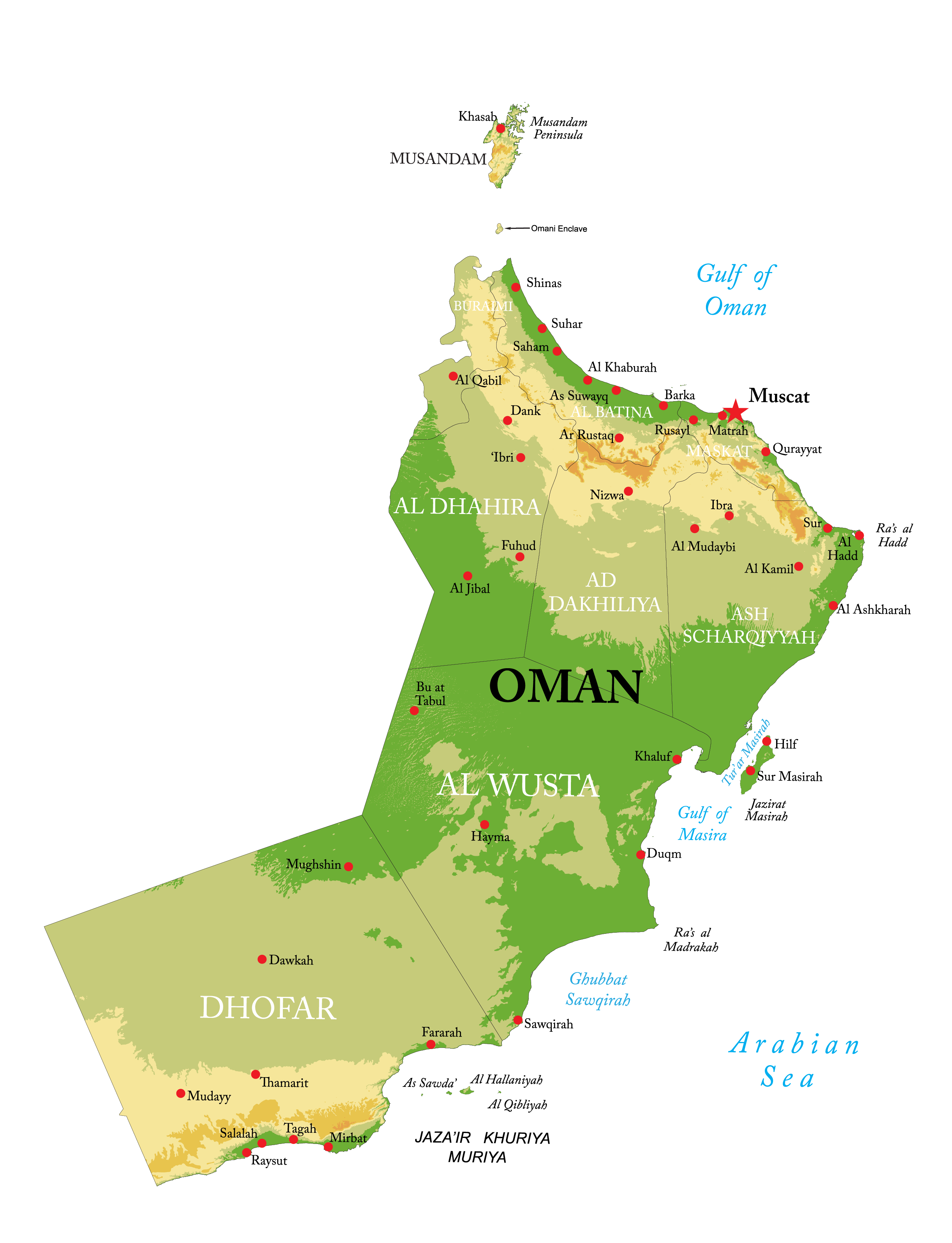
In Omani studies: Miller & Morris (1988) wrote that: "It grows particularly in the rocky coastal plains [J: da 'an] where livestock not infrequently would eat it in error when they came to graze such areas - either to shelter from the worst of the monsoon rains or, at the end of the monsoon, to exploit the brief season of the short sweet grasses which used to flourish in such areas after the rains. Some of these very nutritious grasses grow most lushly in the shelter of stones and rocks, or in cracks in the flat stone pavement of the plains, also the preferred habitat of this toxic plant, and when the rains were particularly heavy, the distinctive striped leaves were hard to distinguish among the richness and denseness of the other rains vegetation. The toxin produced by this plant brings on symptoms of tremor, distention of the belly, and
...
Patzelt, A. Pinter, M. Martinez, M. (2021). A new endemic species of Vera-duthiea (Hyacinthaceae subfam. Urgineoideae) from Oman. Phytotaxa 524 (1): 045–052. ISSN 1179-3155 (print edition). ISSN 1179-3163 (online edition). Miller, A., Morris, M. (1988). Plants of Dhofar, the Southern Region of Oman: Traditional, Economic, and Medicinal Uses. Published by Office of the Adviser for Conservation of the Environment, Diwan of Royal Court, Sultanate of Oman; ISBN 10: 0715708082 ISSN 13: 9780715708088. https://en.wikipedia.org. Ghazanfar, S. (2018). Flora of the Sultanate of Oman, vol.4: Hydrocharitaceae – Orchidaceae. Meise, National Botanic Garden of Belgium (Scripta Botanica Begica, Vol. 25). ISBN 9789492663153 ISSN 0779-2387.
