
Tuber ; 30-60 cm tall . Stems strong , leafy from the base to the middle . Leaves 3–5 , cauline , largest in middle of stem , elliptic to elliptic-lanceolate . Inflorescence 10-16 cm , dense , many-flowered . Flowers greenish , sometimes cleistogamous , medium-sized ; dorsal sepal erect or nearly so , oblong , acute , lateral sepals reflexed , slightly pubescent ; petals bipartite , pubescent . Fruit not seen . Seeds not seen . (Ref . Flora of Oman ; vol . 4) .
No Data
Rare & Threatened (RT) - Data Deficient (DD) - National Assessment
Very Rare
الوصف غير متاح حاليًا
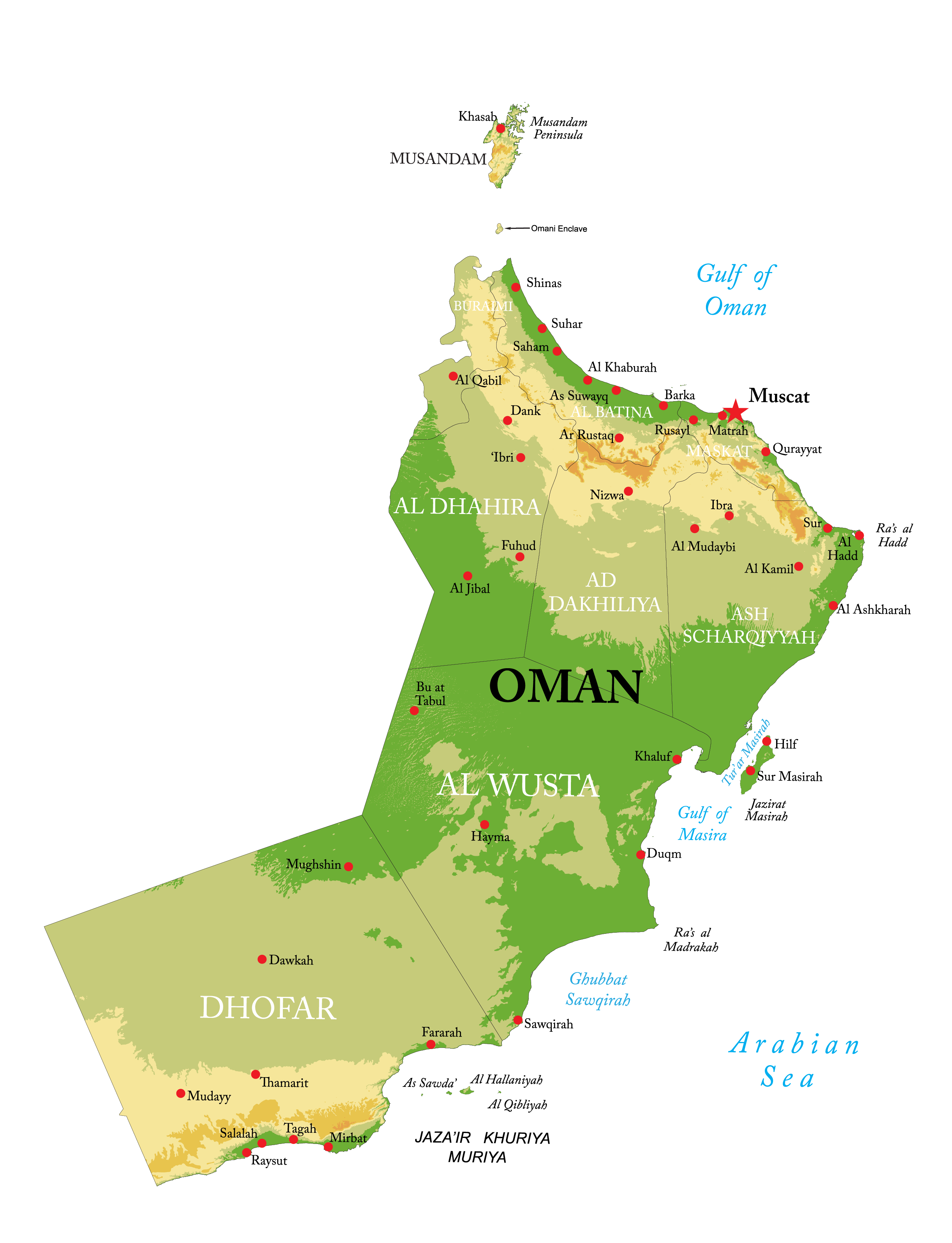
Not known
No Data
maintenanceAr.Item1
Not known
Miller & Morris (1988) wrote that: "Being so much less common, these orchids were never of importance nutritionally or medicinally. In fact, opinions differ as to whether they are really edible or not. However, those who have eaten them, say they should not be eaten raw, but must be cooked, and when found, the tubers were dug up and put in the cooking pot along with other edible tubers. All the four orchis described here are called [J: ḥarόt, ḥari], although only H. myodes and H. malacophylla were ever of nutritional significance". (Ref. Plants of Dhofar).
Ghazanfar, S. (2018). Flora of the Sultanate of Oman, vol.4: Hydrocharitaceae – Orchidaceae. Meise, National Botanic Garden of Belgium (Scripta Botanica Begica, Vol. 56). ISBN 9789492663153 ISSN 0779-2387. Miller, A., Morris, M. (1988). Plants of Dhofar, the Southern Region of Oman: Traditional, Economic, and Medicinal Uses. Published by Office of the Adviser for Conservation of the Environment, Diwan of Royal Court, Sultanate of Oman; ISBN 10: 0715708082 ISSN 13: 9780715708088. https://en.wikipedia.org Patzelt, A. (2015). Oman Plant Red Data Book. Published by Diwan of Royal Court, Sultanate of Oman. Oman Botanic Garden Publication No. 1. ISBN 978-99969-50-10-0. POWO (2022). "Plants of the World Online. Facilitated by the Royal Botanic Gardens, Kew. Published on the Internet; http://www.plantsoftheworldonline.org
